
Online customer service
Every question you ask can be matched with a suitable answer


diagnosis and treatment of infertility, first/second/third generation IVF (including
          egg/sperm donation), microsperm retrieval, embryo freezing and resuscitation, artificial
          insemination (including husband's sperm and sperm donation), paternity testing, chromosomal
          disease
          diagnosis, high-throughput gene sequencing, endometrial receptivity gene testing and other
          clinical
          technology applications. Many of these technologies are at the leading level both domestically
          and
          internationally.


I am Chen Yinuo, the founder of Tulip International Reproductive Center.
In my communication with many clients, I have found that the most confusing and frustrating moment for them is: even though the transplanted embryo is a highly rated "high-quality embryo" and the endometrial thickness is completely up to standard, why does implantation still fail in the end?
Many people attribute this to 'luck', but I must tell you that behind repeated failures, there are often overlooked and specific medical reasons.
Embryo implantation is an extremely complex physiological process, which is not just a simple encounter between the "seed" (embryo) and the "soil thickness" (inner membrane).
Many details such as blood supply, immune environment, and physical form collectively determine whether this precious "seed" can successfully take root and absorb nutrients.
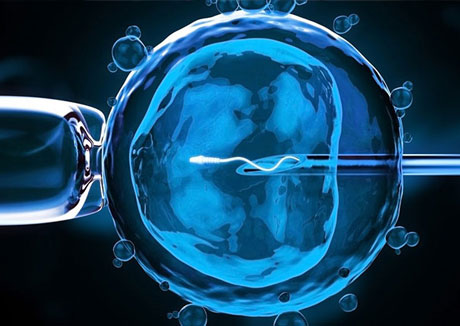
Embryo implantation failure, where could the problem lie?
Clinical data shows that in cases of repeated implantation failures, a considerable proportion are not simply related to embryo quality or endometrial thickness. At Tulip International Reproductive Center, our diagnosis and treatment approach is to systematically investigate the following six key details:
1. The "morphology" and "thickness" of the endometrium
The thickness of the endometrium between 9-14mm is indeed an ideal range for transplantation. However, meeting the thickness standard does not necessarily mean excellent quality. Under ultrasound, high-quality endometrium should present a clear "three line sign" (type A endometrium), which represents good proliferation of endometrial cells, synchronous glandular secretion, and better receptivity. If the morphology of the endometrium is poor (such as type B or C), even if the thickness is sufficient, it may indicate asynchronous development of the endometrium, which is not conducive to embryo adhesion.
2. Uterine artery blood flow perfusion
This is the "lifeline" for obtaining nutrients after embryo implantation. If the resistance index (RI/PI) of the uterine artery is too high, it means that the blood supply to the endometrium is insufficient. Even if the embryo is forced to implant, it may still result in biochemical pregnancy or early fetal arrest due to insufficient access to oxygen and nutrients.
3. Whole body blood coagulation status
Excessive viscosity of blood, also known as "hypercoagulability," can significantly affect the microcirculation of endometrial capillaries, forming microthrombi and hindering the blood supply to the embryo. Elevated D-dimer levels and abnormal platelet aggregation rates are important risk signals. For patients who have experienced two or more transplant failures, we usually recommend screening for coagulation function and pre thrombotic status.
4. Frequency of endometrial peristaltic waves
There are regular and imperceptible peristaltic waves in the endometrium. Research has shown that during the transplantation window, a suitable peristaltic frequency (usually 1-2 times per minute) can help guide the embryo to the appropriate implantation site. Excessive or slow peristalsis may interfere with the process of embryo localization. The extreme tension and anxiety of emotions are precisely important factors that affect the frequency of peristaltic waves.
5. Disorders of immune factors
The maternal immune system plays a complex role in early pregnancy. When the immune system is overactivated, such as an abnormal increase in the proportion or activity of NK cells (natural killer cells), the presence of autoantibodies (such as antiphospholipid antibodies, anti nuclear antibodies), etc., the immune system may mistakenly recognize the embryo as a "foreign body" and launch an attack, resulting in the embryo being rejected. At the Tulip International Reproductive Center, systematic immune assessment is a routine screening procedure for patients with repeated failures.
6. Hidden intrauterine lesions
Chronic endometritis, small endometrial polyps, or mild intrauterine adhesions may be difficult to detect under routine ultrasound, but they can continue to release inflammatory factors, severely damaging the receptivity of the endometrium.
How to scientifically evaluate these six key details?
Knowing the potential factors that affect implantation, the next key step is how to conduct precise detection and evaluation. At Tulip International Reproductive Center, we have established a systematic assessment pathway for patients who have repeatedly failed, ensuring that no suspicious link is missed.
【1】 Morphological and thickness assessment: This is mainly accomplished through high-resolution vaginal ultrasound. At the critical node of endometrial transformation (usually before transplantation), we carefully observe the thickness, morphological classification (whether it is type A), and whether there is abundant blood flow beneath the endometrium.
【2】 Blood perfusion assessment: also detected by color Doppler ultrasound. We will measure the pulsatility index (PI) and resistance index (RI) of the uterine artery, which can objectively reflect the blood flow perfusion of the uterus.
【3】 Coagulation status assessment: This requires a series of blood tests. The basics include the four coagulation factors and D-dimer. For highly suspected patients, we recommend conducting more in-depth examinations such as platelet aggregation rate, antiphospholipid antibody spectrum, protein S/protein C activity, and other thrombophilia related screenings.
【4】 Peristaltic wave assessment: This examination is relatively cutting-edge and can be observed through specific dynamic ultrasound monitoring. However, in clinical practice, due to the complexity of its influencing factors, we often indirectly regulate it by managing these factors, such as alleviating patient anxiety and optimizing hormone levels.
【5】 Immune status assessment: This also requires a series of specialized blood tests. The core projects include lymphocyte subset analysis (especially the proportion and activity of NK cells), and detection of autoantibody profiles (such as anti nuclear antibodies, anti thyroid antibodies, etc.).
【6】 Evaluation of uterine lesions: Hysteroscopy is the irreplaceable "gold standard" in this process. It allows doctors to directly observe the interior of the uterine cavity and detect and treat small lesions that cannot be identified by conventional ultrasound with extremely high clarity. We usually recommend patients with a history of two or more transplant failures to undergo a diagnostic or therapeutic hysteroscopy examination before the next transplant cycle.
Tulip Warm Reminder
We understand the pain that every failure brings, but please do not easily attribute it to 'luck'. Every failure is a clue to finding an answer. At Tulip International Reproductive Center, our core philosophy is diagnosis before treatment.
When you are facing the dilemma of repeated failures, I strongly recommend that you pause the 'repeat transplant' and instead work with your doctor to systematically conduct a comprehensive 'review' of the six details mentioned above.
Please remember that in vitro fertilization is a precise scientific engineering. Your relaxation and trust, combined with our team's precise control over every detail, are the most stable path to success.
For fertility consultation in Kyrgyzstan, please contact your dedicated consultant
/Fertility Consultation /
Dr.Chan
Copy and add: Tulip_EnoChan
Or long press/scan the QR code to add


Tulip International Fertility Center
Technology aids fertility, fulfilling dreams for countless families
🏥 Located in downtown Bishkek, the capital of Kyrgyzstan, near the National Museum and Victory Square. It is the first Chinese-invested, officially licensed assisted reproductive hospital in the country. Founded and directly operated by Mr. Chen Yinuo (EnoChan), the center specializes in high-level fertility services including PGT (3rd generation IVF) and legal third-party reproduction for global clients, especially Chinese patients.
🌷 Technology-Assisted Fertility, Fulfilling Dreams · Patience · Integrity · Professionalism


